Call: 08045801980
 Send Inquiry
 Send Inquiry
Marine Rudder Assembly
Marine Rudder Assembly Specification
- Operating Temperature
- -20C to +60C
- Equipment Type
- Ship Steering Equipment
- Flow Rate
- Variable, based on hydraulic system specification
- IP Rating
- IP56 or higher (Control cabinet/manual station)
- Working Pressure
- Up to 16 MPa (160 bar)
- Usage & Applications
- Marine steering and navigation control
- Capacity
- Suitable for small to ultra-large marine vessels
- Application Areas
- Cargo ships, tankers, tugs, offshore vessels, passenger ferries
- Product Type
- Rudder Assembly
- Type
- Marine Rudder (Conventional/Spade/Balanced as per requirement)
- Material
- High-strength cast steel, marine-grade alloys
- Automatic Grade
- Manual/Semi-automatic/Automatic (Customizable)
- Control System
- Hydraulic or electro-hydraulic steering gear
- Drive Type
- Hydraulic, Electro-hydraulic
- Weight (kg)
- 900 - 4500 kg (depending on vessel and specification)
- Dimension (L*W*H)
- Custom fabricated as per vessel design drawings
- Feature
- High steering efficiency, robust construction, corrosion resistance
- Size
- Custom sizes available
- Power Source
- Hydraulic/Electric
- Voltage
- 220V/380V/440V (Varies by control system)
- Surface Finishing
- Marine-grade anti-corrosive coated paint
- Mounting Type
- Flange mounting or welded installation
- Features
- Rudder angle indication, compact design, easy maintenance
- Service Life
- Designed for minimum 15 years continuous use
- Test Certificate
- Supplied with factory test certificate and material traceability
- Shipping Condition
- Packed in seaworthy crates with anti-corrosion protection
- Rudder Angle Indicator
- Integrated mechanical/electronic indication
- Customization
- Available for twin rudder or flap rudder configuration
- Bearing Type
- Self-lubricating composite or roller bearing
- Compatibility
- Compliant with IMO and IACS standards
- Painting Standard
- ISO 12944 C5-M or equivalent marine standard
- Manufacturing Origin
- Made in certified marine equipment facility
- Noise Level
- Below 85 dB during operation
- Construction Standard
- Manufactured according to class society rules (DNV, BV, ABS, LR, etc.)
- Sealing Type
- High-performance lip/tandem seals
Marine Rudder Assembly Trade Information
- Payment Terms
- Cash on Delivery (COD), Letter of Credit (L/C), Letter of Credit at Sight (Sight L/C), Telegraphic Transfer (T/T), Cash in Advance (CID), Cheque, Cash Advance (CA)
- Supply Ability
- Delivery Time
- Week
- Packaging Details
- Loose Packing
- Main Export Market(s)
- Australia, Eastern Europe, Middle East, Central America, Africa, South America, Western Europe, Asia, North America
- Main Domestic Market
- All India
- Certifications
- ISO 9001 : 2015. MSNE
About Marine Rudder Assembly
Owing to our 25 year of market expertise, we are able to manufacture, export and supply a wide range of Rudder Assembly. This assembly is widely used to install in ship and other marine vehicles for preventing the ingress of water. The offered assembly is manufactured in tandem with international standards of quality by our adept professionals making use of superior quality raw materials with the aid of advanced techniques. Apart from this, our patrons can avail this Rudder Assembly from us at a cost-effective rate.
Features:
- Excellent finish, robustness and impact resistance
- Utmost resistant to fresh and sea water
- Durable structure for resisting weather impact
- Compatible for installing at ship, boats and others
High-Performance Steering for Marine Vessels
Designed for rigorous marine environments, the rudder assembly provides superior steering efficiency and corrosion resistance. Its advanced seals and bearings extend service life while reducing maintenance, meeting the stringent standards required for global marine operations. Compatible with a wide range of vessel sizes, it is adaptable for both new builds and retrofits.
Precision and Reliability in Navigation Control
Integrated rudder angle indicators facilitate both manual and automated navigation, offering mechanical and electronic readouts for clear operational feedback. Each unit is certified to ensure material traceability and operational safety, supporting navigation control in cargo ships, tankers, passenger ferries, and offshore support vessels.
Customizable Solutions for Diverse Marine Applications
Whether your vessel requires conventional, spade, or balanced rudder types, the assembly is custom fabricated to suit specific design drawings. It can be tailored for twin or flap rudder configurations and supports various weight and size specifications, addressing the unique demands of small ships to ultra-large marine craft.
FAQs of Marine Rudder Assembly:
Q: How is the Marine Rudder Assembly installed on different vessels?
A: The assembly is custom fabricated according to vessel design drawings and can be installed using flange mounting or welded installation methods, ensuring secure integration for cargo ships, tankers, tugs, ferries, or offshore vessels.Q: What standards does the rudder assembly comply with and why is this important?
A: It meets IMO, IACS, and class society rules (DNV, BV, ABS, LR), as well as ISO 12944 C5-M painting standards. Compliance guarantees safety, reliability, and international certification for marine operation and insurance requirements.Q: When is customization recommended for rudder configurations?
A: Customization is advised when a vessel requires twin rudders, flap rudders, or specific dimensions to accommodate unique maneuvering needs or design constraints. Manufacturers work closely with ship designers to ensure optimal configuration.Q: Where are these rudder assemblies manufactured and shipped from?
A: They are produced in certified marine equipment facilities in India, following strict quality and manufacturing standards. Every assembly is shipped in seaworthy crates with anti-corrosion protection, suitable for global export.Q: What process ensures the longevity and traceability of the marine rudder assembly?
A: Each assembly is supplied with factory test certificates and material traceability documentation. The use of high-strength materials, anti-corrosive coatings, and robust sealing mechanisms means the product is designed for at least 15 years of continuous use.Q: How does the rudder angle indicator enhance vessel operation and safety?
A: By providing integrated mechanical and electronic indication of rudder position, the indicator allows for precise steering control. This direct feedback improves both manual and automated navigation, contributing to safer maritime operation.Q: What are the key benefits of choosing a self-lubricating composite or roller bearing?
A: These bearing systems minimize friction, decrease maintenance intervals, and enhance overall operational efficiency, ensuring smooth rudder movement under varying marine conditions.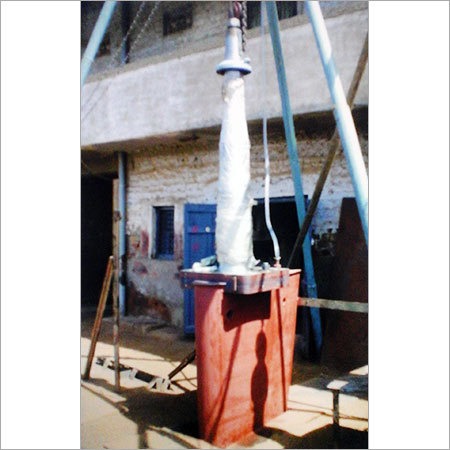
Tell us about your requirement

Price:
Quantity
Select Unit
- 50
- 100
- 200
- 250
- 500
- 1000+
Additional detail
Mobile number
Email

More Products in Rudder and Rudder Stock Assembly Category
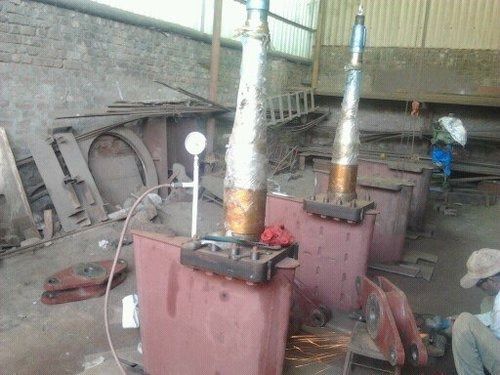
Rudder Stock Assembly
Warranty : 12 Months
Type : Others, Customizable
Weight (kg) : 1500 Kg
Material : Steel
Capacity : Standard Capacity
Drive Type : Hydraulic

Contact Details
NIBHA INDUSTRIES
GST : 24ABKPR8516P1ZW
- Plot No. 6A/3/2 , Opp. Yogeshwar Temple, Ruvapari Road, Bhavnagar - 364005, Gujarat, India
- Phone :08045801980
 Send Inquiry
Developed and Managed by Infocom Network Private Limited.
